

Of Hippies and Locusts
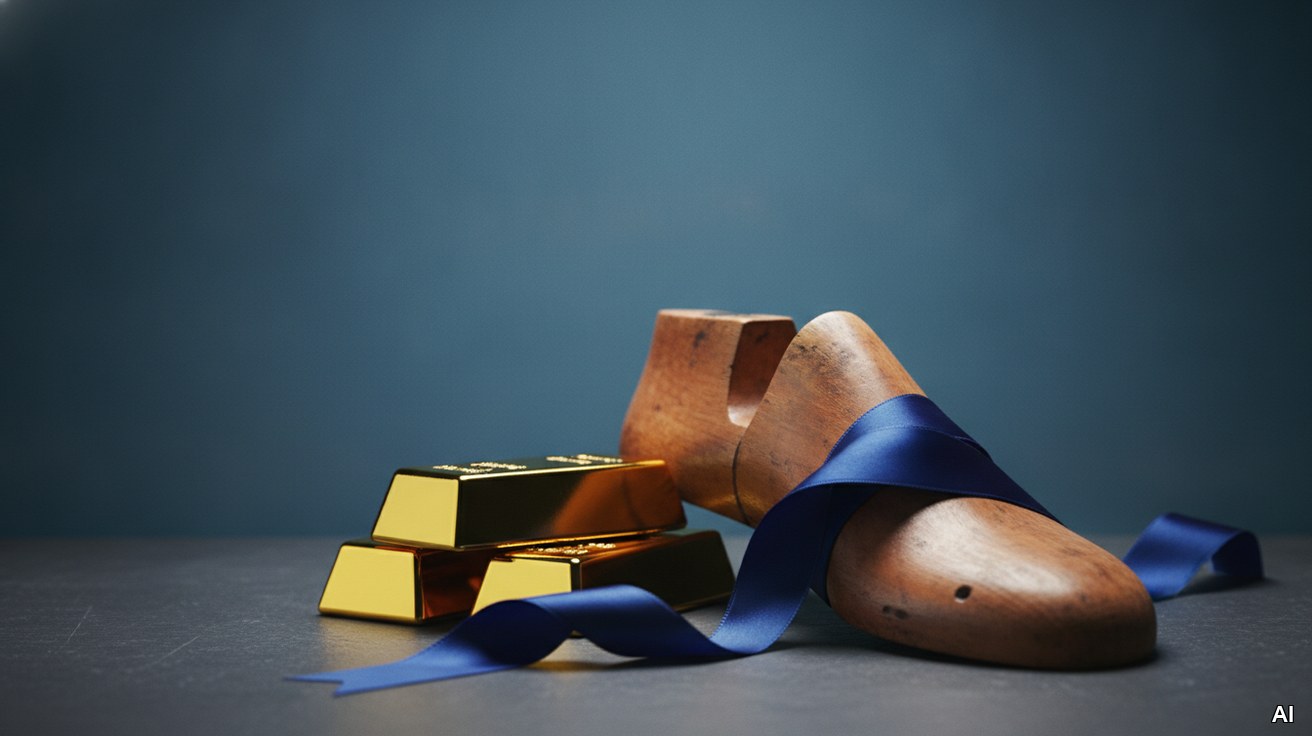
The year 2021 also brought such a unique company history, one that continues to be written by the new owner following the acquisition. The story begins in the 18th century in an unassuming cobbler’s workshop. The church archives of the town of Langen-Bergheim mention a Mr. Johann Adam Birkenstock in Hesse in 1774 as a shoemaker and subject of the crown. Fast forward about 250 years: Birkenstock’s hippie sandals—which, objectively speaking, aren’t exactly elegant and once graced the feet of some members of the anti-nuclear movement—are now worn by film and music stars, prominently featured at the Oscars and co-designed by Italian fashion designer Valentino Garavani. On April 23, 2021, the European Commission finally approved the acquisition of the company by the French-American private equity firm L Catterton.
LVMH’s major shareholder, Bernard Arnault—whose family holding company merged with the American private equity firm Catterton in 2016—introduced the letter “L” into the name of the investment company. As the only European in the top ranks of the famous Forbes List, Arnault has proven time and again that he can lead brands to lasting success. The odds are good that he will succeed with this long-established German company just as he has with other brands in the past. The fashion world is notoriously eccentric, but also erratic: Eco-friendly health slippers, promoted in the current advertising and informational campaign with the slogan “ugly for a reason,” were more a part of the counter-culture alternative scene in the 1980s than the mainstream. Four decades later, they complement the haute couture, glamour, and chic of Louis Vuitton, Moët & Chandon, and Bulgari.
In the fast-paced fashion industry, the key to success clearly lies in careful, consistent brand management that makes the product appear modern while also rendering it timeless. Bernard Arnault once pointed out in an interview that, for him, learning patience became the key to success in business: “Perhaps I’m not very patient myself,” he explained. “But I believe what I […] have learned is to be able to wait and achieve something when the time is right.”
With the private equity firm CVC Capital Partners already having set its sights on Birkenstock, the time seemed ripe for an acquisition of the long-established brand.
Company Valuation with Top Multiples
The company was ultimately sold for the hefty price of 4 billion EUR, which corresponds to a revenue multiple of 6.2. By comparison, the average revenue multiple of the S&P 500 has fluctuated between 0.8 and 3 over the past 20 years, averaging 1.7 over the entire period. Based on the 2019 EBIT of 161 million EUR, this corresponds to an EBIT multiple of 34.5.
In terms of annual shoe sales, a fee of 168 EUR per pair of sandals seems ambitious, as does the figure in relation to the number of employees—nearly one million EUR per employee. Recruitment agencies can usually only dream of such fees. Nevertheless, the amount investors paid for Birkenstock isn’t entirely out of thin air. The cult brand Dr. Martens—which has been listed on the stock exchange in a turbo-capitalist fashion since 2021 as a punk accessory—reports comparable sales to the manufacturer based in Linz am Rhein. The British company with German roots is currently trading at a similar price on the LSE. Fashionable comfort, durability, and working from home are the three factors driving Birkenstock’s price—a perfectly understandable trend given high energy prices and resource shortages.