

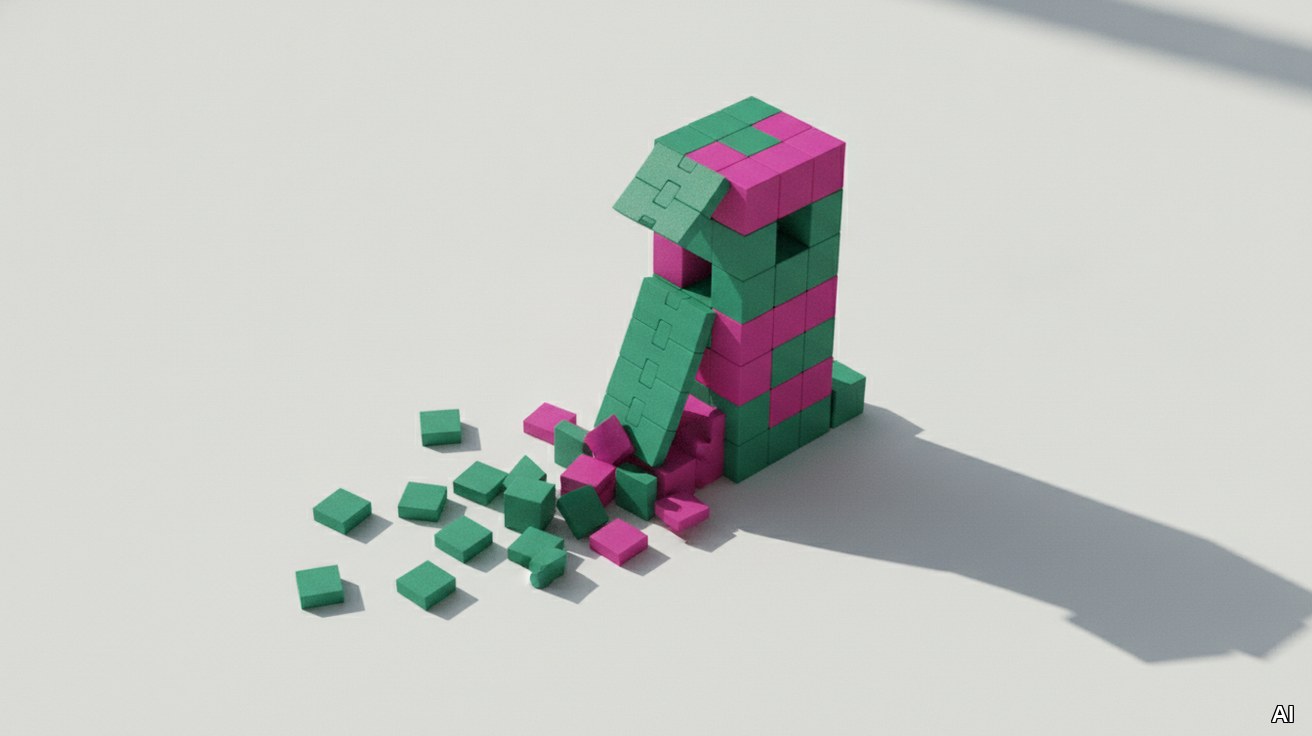
The impact of the coronavirus pandemic has vividly demonstrated to all sectors of society—and thus to numerous companies across a wide range of industries—where the perceived weaknesses in their own business models and corporate strategies lie. While another crisis—in the form of the war in Ukraine—certainly would not have been necessary to reaffirm or intensify this realization, it now represents the status quo. Although the consequences of the war may not yet be fully foreseeable at this point, structural shortcomings have become apparent—if not already during the coronavirus pandemic—then certainly now; the term “dependencies” speaks volumes in this context.
The easiest approach would be to blame all the problems on external shocks and argue that “no one could really have anticipated this.” That, however, would be exactly the wrong approach. Certainly, the pandemic and its course over the past two years were not foreseeable in this form—or were very difficult to foresee. Similarly, not too long ago, very few people could have imagined that we would actually have to experience another war in Europe.
But that’s not the point—because the resulting problems, such as supply bottlenecks, material shortages, soaring costs, or slumps in demand, hit those hardest who have not yet established alternative and diversified structures. The crises have undoubtedly served as a catalyst for exposing such vulnerabilities in numerous business models—but the “blame” lies with the companies themselves. This is because the strict pursuit of profit maximization—achieved by reducing sourcing and sales channels to an absolute minimum (whichever is the cheapest or most lucrative option)—carries a significant risk. This risk is typically exacerbated by the fact that, in a worst-case scenario, there is no possibility for a quick course of action.
As a result, companies must reevaluate their business models, strategic directions, and internal structures and implement restructuring measures to get back on track for success and ensure they remain sustainably competitive. This applies equally to companies that may not have been directly affected by the crisis—scrutinizing their own structures accordingly and, where necessary, making changes can not only protect against such scenarios but also contribute to success and generate competitive advantages. It should be noted that this should not be viewed as a one-time optimization process, but rather as an ongoing process of development that—regardless of crises or external shocks—is necessary simply due to the fast-paced and volatile nature of today’s business environment.
With regard to corporate transactions and succession planning, the aspects highlighted should be viewed, on the one hand, as warning signs, but on the other hand, also as potential value drivers. This is because factors related to dependencies and the flexibility of the business model and corporate strategy are increasingly subject to critical assessment and scrutiny during the transaction process. Conversely, a strategic orientation that takes these aspects into account—or is optimized to enable rapid responses to a wide variety of situations and challenges while providing a range of options for action—represents a factor that cannot be overlooked and thus serves as a value driver for the company.
Incidentally, this applies to all areas of the company, not just in relation to suppliers and customers. The workforce, in particular, deserves special mention here. For a successor, for example, it is of very little benefit if the company’s strategy is heavily dependent on the current owner, who is set to step down soon, or if key employees in an industry facing labor shortages are nearing retirement. And finally, it is the employees who implement change processes, which requires their acceptance, validation, and motivation to carry out the initiative.
The current circumstances should therefore be viewed as a signal and an opportunity to establish a sustainable and long-term viable corporate strategy. Nevertheless, regardless of whether the recent crises have exposed the company’s own shortcomings or not, its strategy and direction should be scrutinized, and appropriate adjustments should be initiated. And not just today, but on an ongoing basis—because the sustainability of a company’s strategy is based on continuous improvement.