

In no other economic sector is consumer uncertainty felt so acutely; the consumer climate remains tense. Against this backdrop, it is all the more important to position your business for the future.
However, the crises have not been without consequences. Many retailers have been forced to close their businesses in recent years. According to the HDE forecast, the number of retail stores will drop by around 5,000 in 2024 alone. By the end of the year, a total of 46,000 stores will have closed their doors for good since 2019. This is a dramatic development that is affecting specialty retailers in particular. Specialty retailers—often owner-operated and non-chain stores—are thus continuing to lose market share. Their share of total retail sales fell below 13 percent last year, meaning it has halved over the past twenty years.
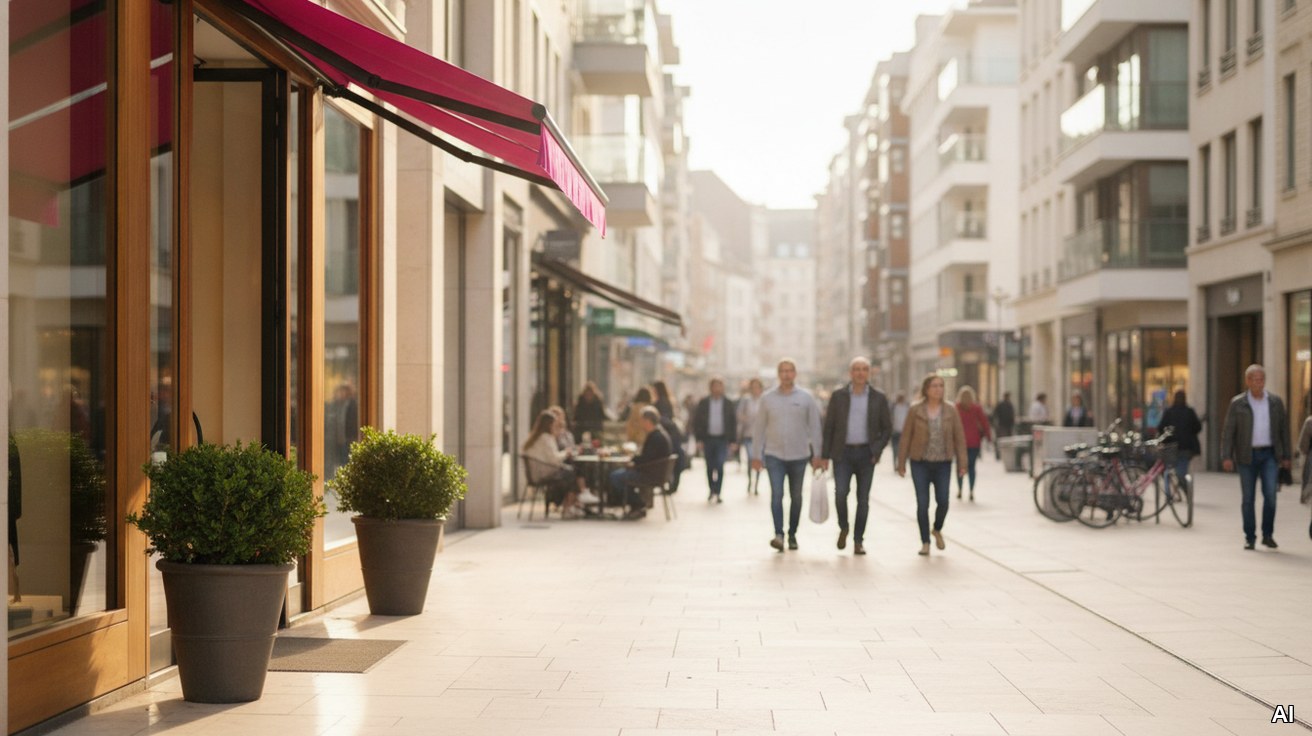
This crisis facing small specialty retailers has tangible consequences for the future of our city centers. Bankruptcies, a lack of successors, and excessive bureaucracy are leading to businesses being shut down and our cities and towns losing their appeal. With every store closure, the risk of our downtown areas becoming desolate grows, because for many people, shopping is the main reason for visiting the city center.
Therefore, downtown areas need swift and decisive assistance to remain attractive by continuing to offer a diverse range of retail options. It is essential to preserve diversity in the retail sector, both in brick-and-mortar stores and online. Investment aid to secure the future, a consistent reduction in red tape, and an initiative to support new retail startups are approaches that can pave the way for a successful future for the industry. To achieve this, we also need the support of policymakers at the federal, state, and local levels. Reducing bureaucracy, ensuring affordable rents, creating attractive and accessible downtown areas, and opening up the opportunities of digitalization to small and medium-sized businesses are particularly important in this regard.
Many retailers have long recognized that action is needed to ensure the long-term viability of their businesses. Small and medium-sized retail businesses in particular—and thus hundreds of thousands of well-managed companies—must invest in their business models, both online and in-store, in order to survive in the face of fierce competition over the long term. This requires the right framework conditions. However, many retail businesses are often unable to shoulder these necessary investments in the future on their own. Following the crises of recent years, there is quite simply no financial leeway left. This makes targeted investment assistance all the more important. Retailers see a particular need, for example, for investments in better urban infrastructure, financial subsidies for business equipment, and in the areas of digitalization and sustainability.
To shape the retail sector of tomorrow, we must start right here and tackle these future-oriented projects—also to become more resilient. After all, there is no city without retail. That is why we should do everything we can to ensure that our favorite store in the city center will still be open tomorrow. Slowing the rise in insolvencies is one of the many responsibilities of every urban community.